
Mini Embroidery Machine Thread Keeps Breaking? Here's Why and How to Fix It
As the home DIY market continues to grow, mini embroidery machines are moving from professional studios into everyday households. However, for new users, questions about maintenance, troubleshooting, and storage frequently appear in search results and online discussions. This article addresses the most common user concerns with practical, industry-backed solutions.
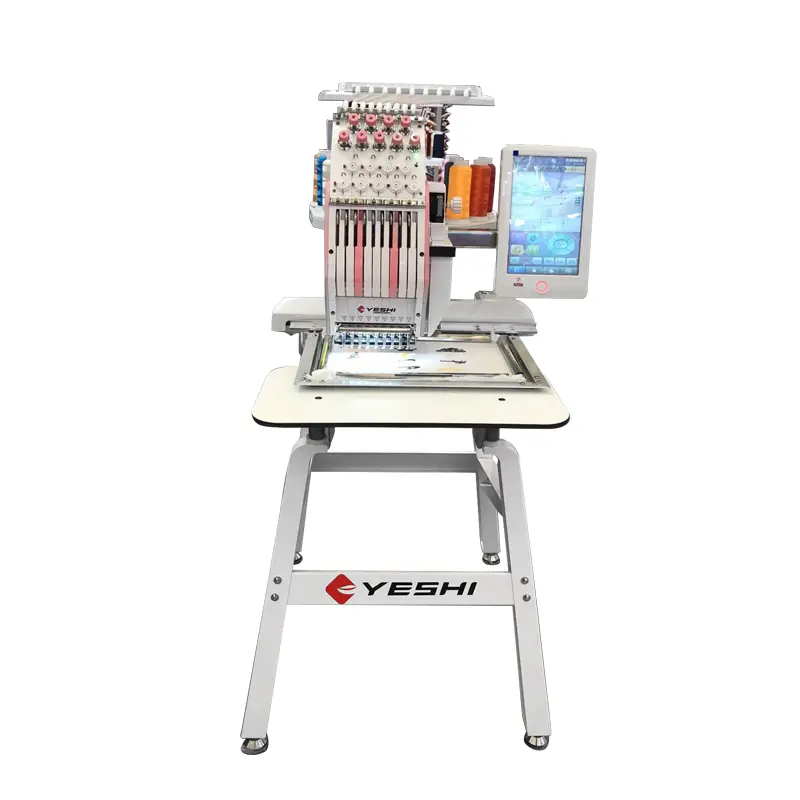
How to Clean and Maintain a Mini Embroidery Machine?
Embroidery machines are precision instruments. Dust and lint buildup from daily use directly affect stitching quality and machine lifespan. When users report "poor embroidery quality" or "increased machine noise," inadequate cleaning is often the cause.
Key Cleaning Points:
Clean the Rotary Hook Area – This is where lint accumulates most easily. When dust builds up, embroidery performance declines. Regularly open the hook cover, remove the bobbin case, and use the included brush or a vacuum to remove lint and dust from the hook and surrounding areas.
Clean Around the Needle Plate – Lint buildup around the movable knife, fixed knife, and thread holder can cause incorrect trimming, error messages, or even part damage. Clean around the needle plate at least once a month. Use a bent screwdriver to remove the needle plate and clean with a brush.
Clean the Machine Surface – If the surface becomes dirty, wipe with a soft cloth dampened with mild detergent (wrung out well), then wipe again with a dry cloth. Never use benzene, thinner, or scouring powders, as these chemicals can damage the machine's finish.
Clean the Bobbin Case – Thread wax and dust easily accumulate around the tension spring hole, causing incorrect thread tension. Each time you change the bobbin, slide a piece of paper (postcard thickness) under the tension spring to remove dust.
Important Safety Reminder: Always turn off the machine and unplug the power cord before cleaning to avoid electric shock or injury.
How to Oil a Mini Embroidery Machine?
Regular oiling is essential for extending machine life. The most common user questions are: what oil to use, where to apply it, and how much to use.
Oiling Guidelines:
-
Oiling Location – Mainly on the rotary hook groove. Turn the handwheel counterclockwise about 50 degrees to move the hook groove into position, then add 1 drop of专用oil.
-
Oiling Frequency – Add 1 drop of oil to the rotary hook before use each day. Also, every 40 to 50 hours of use, add 1 drop of oil to the upper part of the lower needle bar above the felt pad.
-
Oil Type – Use only sewing machine oil. Other types of oil may damage the machine.
-
Caution – Do not use too much oil, as it may stain fabric or thread. Wipe away excess oil with a cloth after oiling.
What to Do When Thread Breaks?
Upper thread breaks and lower thread breaks are the most frequent issues mini embroidery machine users encounter. The causes and solutions differ depending on the symptom.
Upper Thread Break – Possible Causes and Solutions:
| Possible Cause | Solution |
|---|---|
| Upper thread threaded incorrectly | Re-thread, ensuring correct path per machine markings |
| Thread tangled or knotted | Remove tangles, check spool placement |
| Upper thread tension too tight | Loosen upper thread tension dial |
| Needle bent or blunt | Replace with new needle |
| Spool cap doesn't match spool size | Select appropriately sized spool cap |
| Burr around needle plate hole | Replace needle plate (contact service center) |
Lower Thread (Bobbin Thread) Break – Possible Causes and Solutions:
| Possible Cause | Solution |
|---|---|
| Upper thread tangled | Clean hook area, remove tangled thread |
| Bobbin threaded incorrectly | Remove bobbin and re-thread correctly, ensuring thread passes through tension channel |
| Non-specified bobbin thread used | Replace with专用embroidery bobbin thread |
Safety Device Activation Alert: If the screen displays "The safety device has been activated" or similar message, the motor is likely locked due to thread entanglement. Check for tangled upper/lower thread, check for bent needle, turn handwheel to confirm smooth rotation, then re-thread correctly.
How to Store Embroidery Thread and the Machine?
Proper storage directly affects thread longevity and machine performance.
Embroidery Thread Storage Tips:
-
Protect from UV Light – Sunlight accelerates thread fading. Even polyester thread should avoid direct light. Use opaque containers, drawers, or cabinets, or hang curtains over display racks.
-
Control Temperature and Humidity – Ideal storage conditions are approximately 50% humidity and 18-24°C (65-75°F). Avoid basements or attics. Place silica gel desiccant packets in storage boxes to absorb moisture.
-
Prevent Dust and Tangles – Dust degrades thread and may clog the machine. Use covered storage boxes, drawers, or glass jars. Secure thread tails with a "twist knot" or use thread clips.
-
Material Considerations – Cotton thread is sensitive to moisture and prone to becoming brittle or developing mold, making covered glass jars ideal. Polyester thread is more durable and can be stored in plastic or glass containers.
Machine Storage Tips:
-
Keep Away from Heat Sources – Do not store or use near space heaters, irons, halogen lamps, or other high-heat objects.
-
Avoid Direct Sunlight and High Humidity – Store away from direct sunlight or excessively humid locations.
-
Prevent Drops – Do not drop or strike the machine.
Quick Troubleshooting Reference Table
Below is a summary of the most common mini embroidery machine issues and quick solutions:
| Problem | First Checks | Solutions |
|---|---|---|
| Machine won't run | Power on? Start/stop button pressed? Presser foot raised? | Turn on power, press start/stop, lower presser foot lever |
| Needle breaks | Needle installed correctly? Needle bent? Upper tension too tight? | Reinstall needle, replace needle, loosen upper tension |
| Fabric puckers | Upper tension too strong? No stabilizer used? Fabric hooped incorrectly? | Loosen upper tension, add stabilizer, re-hoop correctly |
| Skipped stitches | Needle inserted incorrectly? Wrong needle type? Fabric hooped incorrectly? | Insert needle correctly, use correct needle type, re-hoop with stabilizer |
| Embroidery frame won't attach | Frame holder mismatch | Select appropriate holder for frame |
Mini embroidery machines offer users a convenient way to explore creative projects, but proper usage habits and regular maintenance are essential for long-term, reliable operation. From daily cleaning to regular oiling, from troubleshooting to proper storage, every step deserves attention. We hope this article helps users resolve practical concerns and enjoy a smoother embroidery experience.
Send Inquiry



X
We use cookies to offer you a better browsing experience, analyze site traffic and personalize content. By using this site, you agree to our use of cookies.
Privacy Policy