
How Can a Mini Embroidery Machine Improve Modern Textile Production?
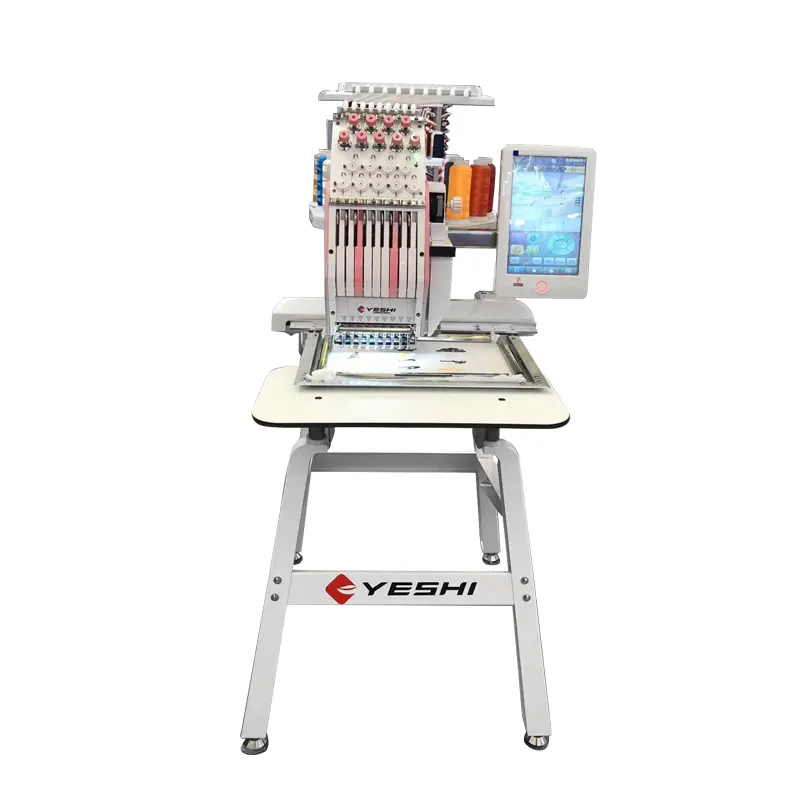
The embroidery industry is continuously evolving as manufacturers and workshops look for more flexible, efficient, and precise equipment solutions. A Mini Embroidery Machine has become an important option for businesses that need compact embroidery equipment with reliable performance. With the development of digital control technology, modern embroidery systems are helping textile producers create detailed patterns while improving workflow efficiency.
For professional embroidery equipment manufacturers, innovation focuses on combining stable operation, convenient maintenance, and diverse embroidery functions. Taizhou YESHI Embroidery Machinery Co. LTD. has been dedicated to this field since its establishment, providing embroidery solutions designed for different application requirements.
What Trends Are Shaping the Embroidery Equipment Industry?
Growing Demand for Flexible Textile Solutions
The textile market is experiencing increasing demand for customized designs, small-batch production, and diversified decorative patterns. Traditional embroidery processes often require large equipment and complex preparation, while compact embroidery systems provide a more practical approach for workshops, designers, and specialized production environments.
Modern embroidery equipment needs to support different fabric types, embroidery styles, and production requirements. Manufacturers are focusing on improving machine stability, reducing operational complexity, and creating systems that allow users to complete detailed embroidery work with greater convenience.
Digital Technology Enhances Embroidery Performance
Computerized embroidery technology has changed the way patterns are created and processed. Digital control systems allow embroidery designs to be transferred more efficiently, helping operators manage complex patterns with improved accuracy. These developments also contribute to better consistency during continuous operation.
Advanced embroidery machines are designed with improved mechanical structures, optimized control systems, and user-friendly interfaces. These improvements support smoother production processes and help reduce unnecessary adjustments during embroidery operations.
Why Are Compact Embroidery Systems Becoming More Popular?
Compact embroidery equipment offers advantages in space utilization and operational flexibility. Many textile businesses require machines that can fit into smaller production areas while still delivering professional embroidery results. This demand has encouraged manufacturers to develop equipment that balances size, functionality, and durability.
| Industry Requirement | Equipment Advantage |
|---|---|
| Limited production space | Compact structure with efficient workspace utilization |
| Diverse embroidery applications | Support for various decorative stitching methods |
| Flexible production planning | Suitable for different fabric processing needs |
| Stable embroidery quality | Reliable mechanical performance and control technology |
Supporting Small and Specialized Production
The expansion of personalized apparel, accessories, and decorative textile products has created new opportunities for smaller embroidery operations. Equipment with practical functions enables businesses to respond quickly to changing design requirements without relying on complicated production arrangements.
A Mini Embroidery Machine can provide an effective solution for applications including clothing decoration, home textile production, logo embroidery, and creative fabric projects. Its compact design makes it suitable for environments where efficient use of space is important.
How Does Equipment Quality Influence Embroidery Results?
Stable Structure Improves Long-Term Operation
Embroidery equipment performance depends greatly on mechanical design, component quality, and manufacturing processes. A stable machine structure helps maintain consistent embroidery movement and supports accurate pattern formation during operation.
Professional manufacturers usually focus on quality management throughout production, including material selection, assembly procedures, and performance testing. These practices help improve equipment reliability and provide users with more dependable embroidery solutions.
Multiple Functions Expand Application Possibilities
The embroidery industry requires equipment capable of handling different stitching techniques and product categories. Multi-function embroidery systems can support various creative applications, allowing textile producers to explore more design possibilities.
Manufacturers continue developing specialized embroidery equipment for different scenarios, including household embroidery, hat decoration, towel embroidery, and other textile applications. This product diversification helps meet the requirements of a wider range of production environments.
What Should Manufacturers Consider When Selecting Embroidery Equipment?
Choosing suitable embroidery equipment requires consideration of production goals, fabric applications, operation convenience, and maintenance requirements. Reliable equipment should provide consistent performance while remaining easy to operate and manage.
- Operational convenience: User-friendly control systems help improve workflow efficiency and reduce learning difficulties.
- Embroidery precision: Accurate movement control contributes to clear and detailed embroidery patterns.
- Durability: High-quality components support stable operation during long-term use.
- Application flexibility: Suitable equipment can adapt to different textile products and embroidery requirements.
How Is YESHI Developing Professional Embroidery Equipment Solutions?
Taizhou YESHI Embroidery Machinery Co. LTD. was established in 2006 and is located in Huangyan Economic Development Zone, Taizhou City, Zhejiang Province. The company specializes in the research, development, and manufacturing of computer embroidery machines and related equipment.
Following an ISO9001-based management and quality system, YESHI focuses on maintaining stable production standards and improving product performance. Its embroidery machine series covers various specifications and models, featuring practical operation, reliable service life, low noise performance, and efficient embroidery capabilities.
The company has developed a wide range of embroidery equipment, including household embroidery machines, high-speed embroidery machines, hat embroidery machines, towel embroidery machines, chain stitch machines, cross stitch machines, mixing machines, and automatic template sewing machines. These products are designed to support different embroidery applications and help improve production efficiency.
With continuous attention to technology development and manufacturing quality, YESHI provides professional embroidery equipment solutions for domestic and international markets. The company remains committed to creating reliable products that support textile enterprises in achieving more efficient and flexible embroidery production.
Conclusion
The embroidery equipment industry is moving toward greater flexibility, digital control, and application diversity. As textile businesses seek efficient solutions for modern production needs, compact and practical embroidery systems continue to gain attention. With professional manufacturing experience, quality management practices, and a diverse product portfolio, Taizhou YESHI Embroidery Machinery Co. LTD. continues to contribute reliable equipment solutions to the global embroidery industry.
Previous:No News
Send Inquiry



X
We use cookies to offer you a better browsing experience, analyze site traffic and personalize content. By using this site, you agree to our use of cookies.
Privacy Policy